
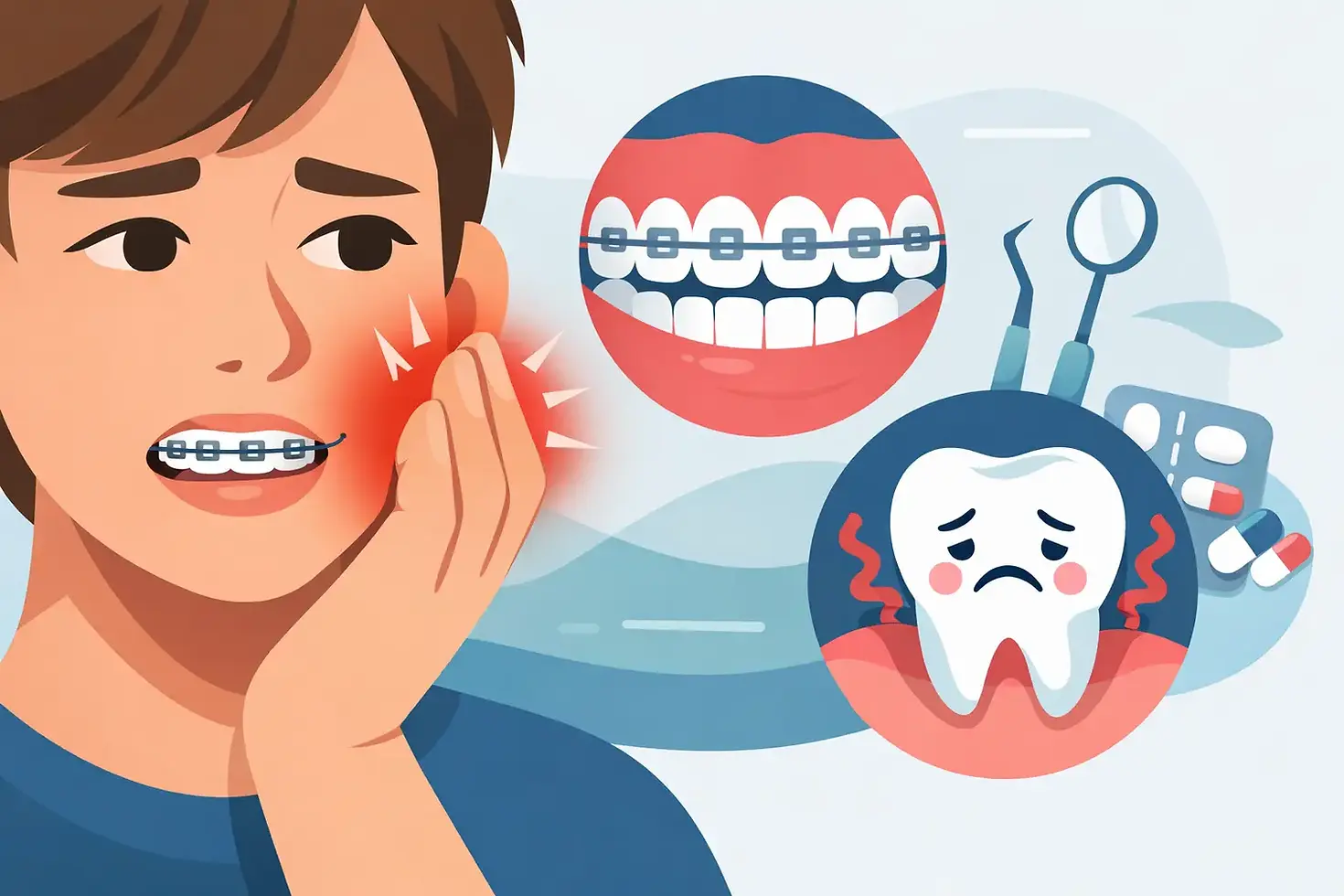
Are Braces Painful at First? What to Expect

That first orthodontic appointment usually comes with one big question: are braces painful at first? The honest answer is that braces can feel sore and unfamiliar in the beginning, but most patients do not describe the experience as severe pain. It is usually more of a pressure or tenderness that shows up in the first few days as your teeth begin to move.
For parents, teens, and adults starting treatment, that difference matters. Knowing what is normal can take a lot of fear out of the process. Braces change the position of teeth gradually, and your mouth needs a little time to adjust to both the brackets on your teeth and the gentle force working behind the scenes.
Are braces painful at first, or just uncomfortable?
For most people, the first stage feels more uncomfortable than painful. After braces are placed, the teeth and surrounding ligaments begin responding to light pressure. That can make biting into food feel tender, especially during the first 24 to 72 hours.
At the same time, your cheeks and lips are getting used to new surfaces. Brackets and wires can rub against soft tissue until your mouth builds up a bit of tolerance. This is one reason new braces patients often notice irritation in more than one way - tooth soreness on the inside, and cheek or lip irritation on the outside.
The good news is that this adjustment period is temporary. Most patients feel significantly better within a few days, and the first week is usually the hardest. After that, braces become part of the normal routine much faster than many people expect.
What braces feel like during the first week
The first few hours after placement are often easier than people anticipate. Many patients leave the office feeling fine, then notice increasing pressure later that day or the next morning. That delayed soreness is normal.
Days one through three are usually when teeth feel most sensitive. Chewing can be the biggest challenge, particularly with crunchy, firm, or chewy foods. Even foods you normally would not think twice about can feel like too much at first.
By days four through seven, the soreness often starts to settle down. Your mouth begins adapting to the brackets, and any rubbing spots become easier to manage, especially if orthodontic wax is used correctly. Some tenderness may still come and go, but it is usually much more manageable than those first couple of days.
If you are starting clear aligners instead of braces, the pattern can be similar. The main sensation tends to be pressure on the teeth rather than cheek irritation from brackets. With braces, you may feel both.
Why braces cause soreness in the beginning
Orthodontic treatment works by applying steady, controlled force to move teeth into healthier positions. That movement affects the ligament and bone around each tooth. When that process starts, the body creates a mild inflammatory response, which is why the teeth can feel tender.
This soreness does not mean something is wrong. In most cases, it means the braces are doing their job. Still, there is a difference between expected discomfort and a problem that needs attention. Mild tenderness, pressure, and sensitivity when chewing are common. Sharp pain, swelling that seems unusual, or a wire poking significantly into the cheek should be evaluated.
The type of bite issue being treated can also make a difference. Some patients have more crowding, rotated teeth, or bite correction needs that create a stronger awareness of pressure early on. Age, pain tolerance, and whether this is a first orthodontic experience also play a role.
The most common sources of early discomfort
The soreness people feel at first usually comes from two places. The first is tooth movement. This is the deep, achy, pressure-based feeling that tends to show up after braces are placed or adjusted.
The second is soft tissue irritation. Brackets can rub on the inside of the lips and cheeks until the tissues toughen slightly. This can create small sore spots, especially during the first week.
Biting changes can also feel strange. If your teeth have not been meeting evenly for a long time, even small movement can make your bite feel different. That sensation is not always pain, but it can feel odd enough to make patients wonder whether something is off. Usually, it is just part of the adjustment.
How long does the pain last?
For most patients, the initial discomfort lasts about three to seven days. The strongest soreness is often in the first two or three days, then it gradually improves. After that, braces are still noticeable, but they usually stop feeling like a major disruption.
Adjustment visits can bring back some tenderness, though it is often shorter and milder than the very beginning. If wires are changed or treatment mechanics become more active, you may feel pressure again for a day or two. That is a normal pattern during orthodontic care.
Some patients adapt very quickly. Others are more sensitive and need a little longer. There is no single right experience. What matters is that the discomfort trends in the right direction instead of getting worse without a clear reason.
What helps when braces hurt at first
A few simple steps can make the first week much easier. Soft foods are often the biggest help. Yogurt, soup, smoothies, pasta, eggs, oatmeal, mashed potatoes, and softer fruits can take pressure off sore teeth while still keeping meals simple.
Cold foods can also be soothing. Ice water, chilled applesauce, or a smoothie may help calm irritated tissues. Some patients do well with over-the-counter pain relief if recommended by their orthodontic team or physician. Taking it as directed, especially before soreness peaks, can be useful.
Orthodontic wax is another easy tool that makes a real difference. If a bracket is rubbing a spot on your cheek or lip, placing wax over that area creates a smoother surface while your mouth adjusts. Salt water rinses can also help if tissues are irritated.
One thing that often surprises patients is that gentle chewing can actually help once it feels tolerable. Light chewing increases blood flow and can reduce that tight, pressurized sensation. The key is not forcing hard foods too soon.
When discomfort is normal and when to call
Some soreness is expected. Constant severe pain is not. If your child or teen cannot sleep, cannot eat at all, or seems to be getting worse instead of better after several days, it is worth reaching out. The same is true for adults who feel something sharp, loose, or clearly abnormal.
A poking wire, broken bracket, or appliance that shifts out of place may need a quick fix. These situations are not uncommon, and a responsive orthodontic office should help you know whether it can wait or should be seen sooner.
This is one reason specialist care matters. A board-certified orthodontist is trained to diagnose whether discomfort is part of normal tooth movement or a sign that an adjustment is needed. That level of focus can provide real peace of mind, especially for families navigating treatment for the first time.
Tips for parents with kids and teens in braces
Children and teens often worry most about the unknown. Before braces are placed, it helps to set realistic expectations. Telling them they will feel nothing at all can backfire. It is better to explain that their teeth may feel sore for a few days, but that the soreness usually passes quickly.
Planning soft meals ahead of time helps more than you might think. A stocked kitchen and a little extra patience can make those first few days smoother. It also helps to remind kids that braces do not stay “new” for long. Most adjust faster than they expect.
If your teen is especially nervous, focusing on the timeline can help. The first week is temporary. The result is a healthier bite and smile that can last for years.
A reassuring perspective for adults starting treatment
Adults often ask this same question, even if they are less likely to say it out loud. They may be balancing work meetings, parenting, and a full schedule, so they want to know if braces will derail daily life. In most cases, the answer is no.
You may want softer lunches for a few days and a little time to adjust to speaking and chewing, but most adults continue their normal routine right away. The early soreness is usually manageable, and modern orthodontic technology has made treatment more precise and efficient than many people remember.
At Dixon Orthodontics, we see every day that patients feel more confident when they know what to expect and have a team they can call with questions. That combination of expertise, technology, and personal care can make the first week feel much less intimidating.
Braces may be uncomfortable at first, but that early soreness is usually brief, manageable, and part of a process designed to create lasting change. A little tenderness at the start is normal. Feeling supported while you adjust makes all the difference.


Comments