
Early Orthodontic Treatment Benefits Explained

A child may look like they simply have a few crowded teeth, but the bigger issue is often how the jaws are growing and how the bite is coming together. That is where early orthodontic treatment benefits can make a real difference. For some children, addressing problems at the right stage of development can make future treatment easier, shorter, and more predictable.
What early treatment actually means
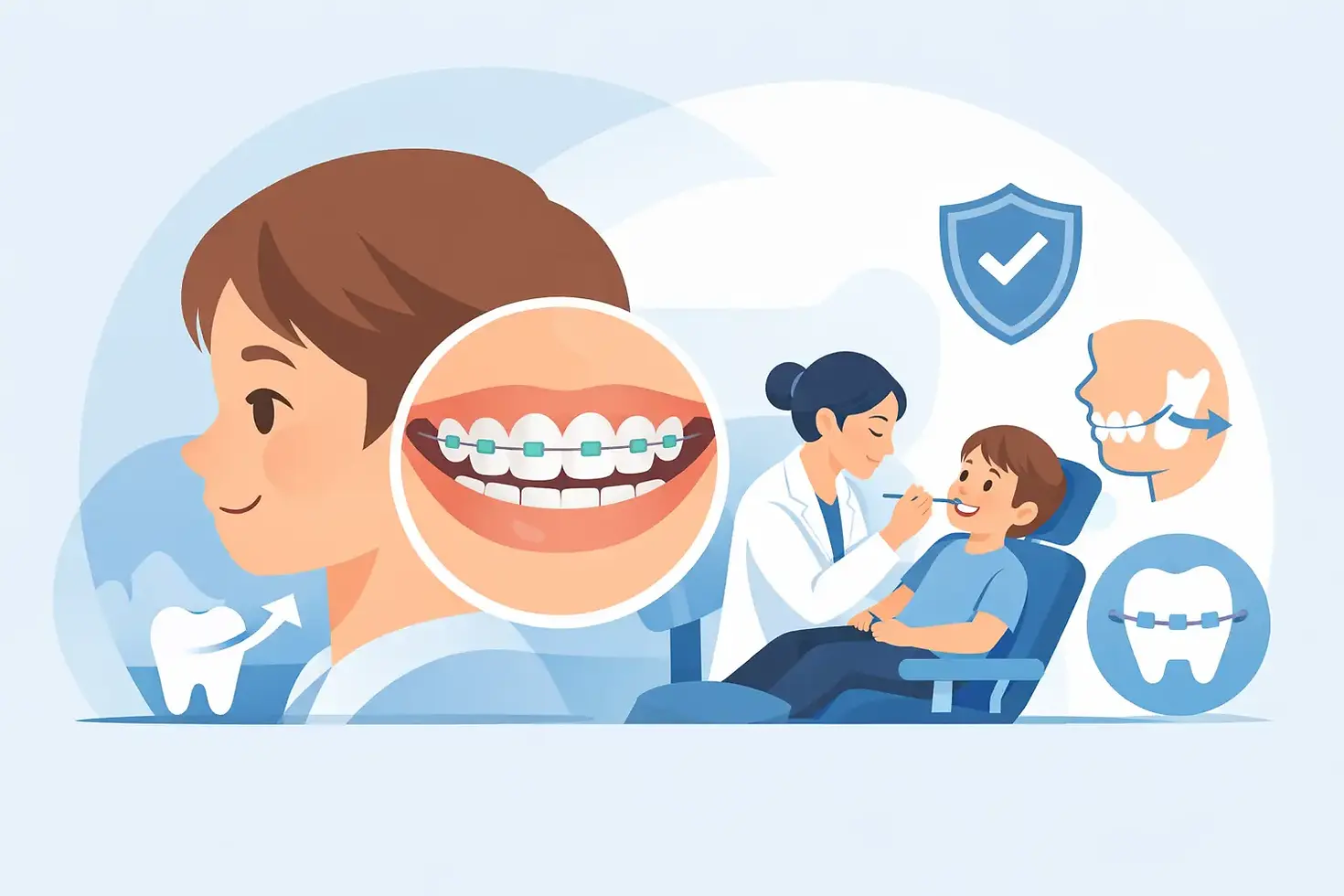
Early orthodontic treatment, sometimes called Phase 1 treatment, usually happens while a child still has a mix of baby teeth and permanent teeth. This is different from full treatment in the teen years, when most or all adult teeth are in place. The goal is not always to finish everything early. In many cases, the goal is to guide growth, correct a developing bite problem, and create better conditions for the permanent teeth to come in.
That distinction matters. Parents sometimes hear “early treatment” and assume it means years of braces starting in elementary school. Sometimes it does involve braces, but it may also include expanders, habit appliances, or other targeted orthodontic tools. The right approach depends on the child, the bite, and how the jaws are developing.
Early orthodontic treatment benefits for growing smiles
One of the main early orthodontic treatment benefits is timing. A child’s jaw is still developing, which gives an orthodontist opportunities that are not available later. If the upper jaw is too narrow, for example, it may be possible to widen it more effectively while growth is still active. If a child has an underbite or crossbite, intervening at the right time may help guide the bite into a healthier position.
Another important benefit is space management. Some children simply do not have enough room for incoming permanent teeth. Early treatment can sometimes help preserve or create space so those teeth have a better path into place. That does not guarantee a child will avoid braces later, but it can reduce the severity of crowding and lower the chance of more complex treatment down the road.
There is also a functional side that parents do not always expect. A poor bite can affect chewing, speech, and even how the teeth wear over time. In some cases, front teeth that stick out are more likely to be bumped or injured. Moving those teeth into a safer position earlier can be protective as well as cosmetic.
Problems that may be easier to treat early
Not every orthodontic issue should be treated early, but some are especially time-sensitive. Crossbites are a good example. If a child bites in a way that shifts the jaw to one side, that pattern can influence growth over time. Correcting it early may help support more balanced development.
Severe crowding can also be easier to manage when the mouth is still growing. The same goes for certain bite problems caused by thumb sucking, tongue posture, or prolonged pacifier use. If those habits have changed the bite, early intervention can help stop the issue from becoming more established.
Children with protruding front teeth may benefit from treatment earlier than parents expect. This is partly about appearance, but it is also about protection. Teeth that are significantly forward are more exposed to falls, sports injuries, and everyday accidents.
Why waiting is sometimes the right choice
This is where experience matters. Early treatment is useful in the right situations, but it is not automatically the best option for every child. Some orthodontic problems are better treated once more permanent teeth have erupted. If treatment starts too soon without a clear reason, it can add time without adding much value.
That is why a specialist evaluation is so important. A board-certified orthodontist looks not only at crooked teeth, but also at jaw relationships, facial growth, spacing, eruption patterns, and bite function. In some cases, the best recommendation is simply to monitor growth and begin treatment later. That is still good care. The goal is not early treatment for its own sake. The goal is the right treatment at the right time.
What parents may notice at home
Many children who need an orthodontic evaluation do not complain about their teeth. Parents are usually the first to spot changes in how the smile is developing. You might notice teeth coming in behind baby teeth, an upper or lower jaw that seems off-center, early loss of baby teeth, delayed eruption, mouth breathing, or difficulty biting into food.
Sometimes the signs are subtle. A child may cover their smile in photos or avoid showing their teeth when they laugh. Confidence is not the main clinical reason to consider treatment, but it does matter. Feeling self-conscious about crowded or protruding teeth can affect a child socially long before the teen years.
The value of orthodontic specialization
When a child may need early treatment, seeing a dedicated orthodontic practice can give families a clearer roadmap. Orthodontists receive advanced training focused specifically on tooth movement, jaw development, and bite correction. That depth matters when treatment decisions involve growth and timing.
Modern tools help as well. Digital impressions and 3D imaging can make diagnosis more precise and the patient experience more comfortable. Instead of guessing how a child’s bite may develop, an orthodontist can often identify patterns early and plan more accurately. For families, that usually means better answers and fewer surprises.
At a family-centered practice like Dixon Orthodontics, that clinical precision is paired with a more personal style of care. Parents want expert guidance, but they also want someone who will take the time to explain what is happening, what can wait, and what should not.
What treatment may look like
Early treatment is rarely one-size-fits-all. One child may need a palatal expander to widen the upper jaw. Another may need limited braces to correct a specific problem tooth or bite issue. Another may only need space maintenance or observation with periodic check-ins.
Treatment length varies, but Phase 1 treatment is often shorter and more focused than full comprehensive treatment. After that phase ends, there is usually a resting period while the remaining permanent teeth come in. Some children will still need Phase 2 treatment later, often with braces or clear aligners, to fine-tune alignment and bite.
That does not mean early treatment failed. In many cases, Phase 1 made Phase 2 simpler and more effective. It may have reduced the severity of the problem, supported healthier jaw development, or prevented a more complicated issue from forming.
Early orthodontic treatment benefits beyond straight teeth
Parents often start by thinking about appearance, but the broader early orthodontic treatment benefits go beyond a straighter smile. A healthier bite can support better oral hygiene because teeth that are less crowded are often easier to brush and floss. Better alignment may also reduce unusual wear on certain teeth and decrease strain on the bite.
There is also peace of mind in having a clear plan. Instead of wondering whether a problem will correct itself, families can understand what is developing and what timeline makes sense. That reassurance matters, especially when treatment decisions involve a growing child.
The best outcome is not always the earliest treatment. It is the treatment that fits the child’s growth, needs, and long-term oral health. For some families, that means starting now. For others, it means watching carefully and stepping in later with confidence.
If you are unsure whether your child’s bite is developing normally, an orthodontic evaluation can provide answers without pressure. Sometimes the most helpful next step is simply knowing what to watch, what can wait, and what could benefit from attention while growth is still on your side.


Comments