
Nightguard for Teeth Grinding: What to Know

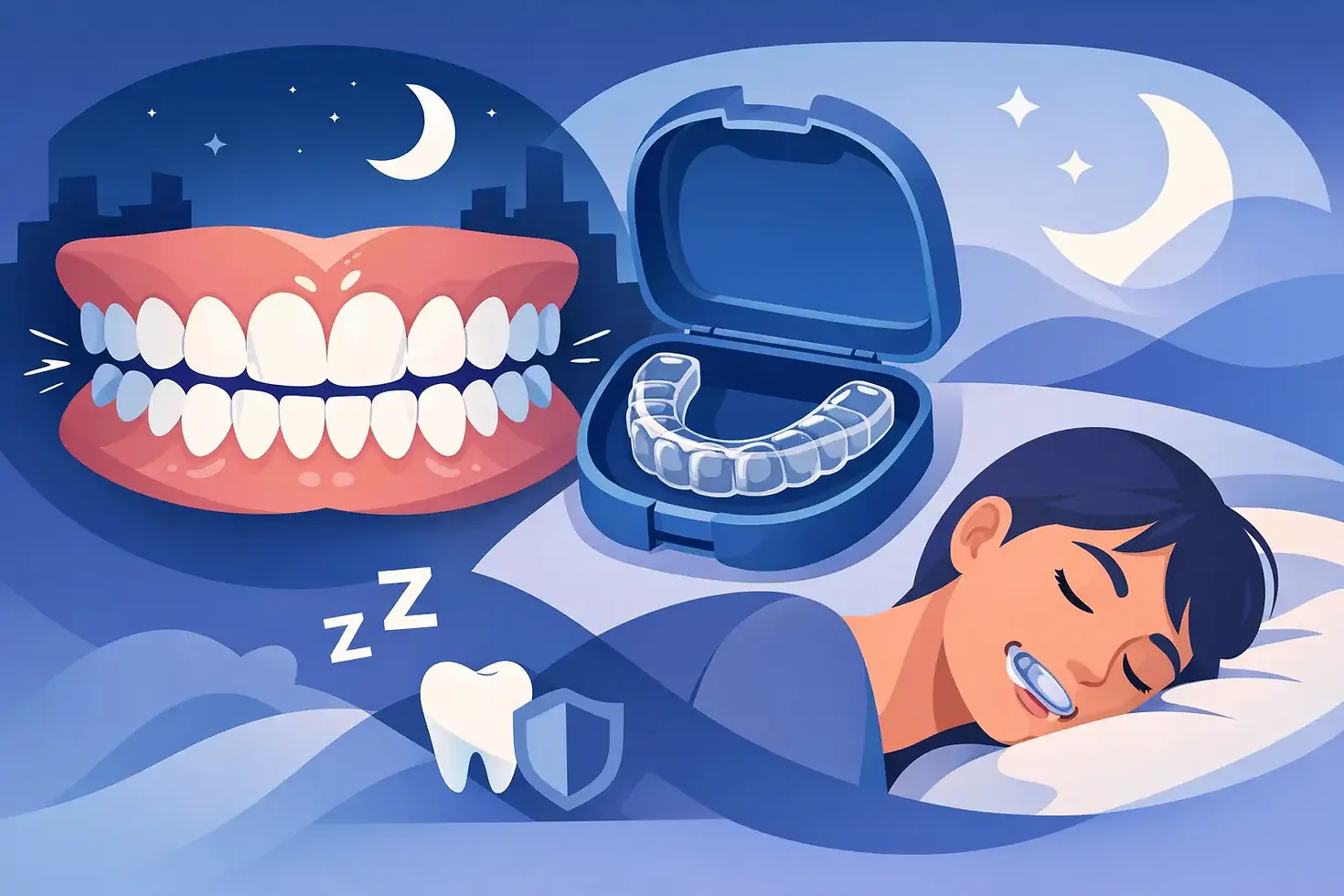
You may not notice teeth grinding while you sleep, but your mouth often does. Morning jaw soreness, flattened teeth, headaches, and even chipped dental work can all point to the same problem. A nightguard for teeth grinding is designed to create a protective barrier between the upper and lower teeth, helping reduce wear and giving overworked jaw muscles a break.
Grinding and clenching, also called bruxism, can show up in children, teens, and adults. Sometimes it is tied to stress. Sometimes it is related to the way the teeth fit together, airway issues, sleep habits, or muscle patterns that have developed over time. That is one reason a one-size-fits-all solution does not work for everyone.
What a nightguard for teeth grinding actually does
A nightguard does not necessarily stop the habit itself. Its main job is to protect the teeth and help manage the pressure created by grinding or clenching. Think of it as a cushion and a shield. Instead of enamel wearing down against enamel, the guard absorbs much of that force.
For many patients, the benefit is not just about tooth protection. A properly made appliance can also reduce strain on the jaw joints and surrounding muscles. That can mean fewer tension headaches, less soreness in the morning, and less damage to fillings, crowns, bonding, or orthodontic retainers.
There is an important distinction here. A nightguard is not the same as every mouthguard sold in a store. Athletic guards are made for impact protection during sports. Whitening trays are made to hold gel against the teeth. Orthodontic retainers are designed to maintain tooth position. A guard for grinding has a different purpose and should be selected with that in mind.
Signs you may need a nightguard for teeth grinding
Some patients know they grind because a partner hears it at night. Others find out during an exam when wear patterns are visible on the teeth. In many cases, the signs are subtle at first.
You may benefit from an evaluation if you wake up with jaw tightness, notice increasing tooth sensitivity, or see small chips along the edges of your teeth. Frequent headaches near the temples can also be part of the picture. If you have had orthodontic treatment before, grinding can be especially frustrating because it may put extra stress on retainers and recently corrected teeth.
Children and teens can grind too, although the reasons may be different and the treatment approach may depend on growth, dental development, and symptoms. Adults with long workdays, interrupted sleep, or ongoing stress often assume clenching is just something they have to live with. It is not.
Store-bought vs. custom nightguards
This is where trade-offs matter. Over-the-counter guards can be appealing because they are fast and inexpensive. For mild, occasional grinding, some people find temporary relief with a boil-and-bite option. But fit, comfort, and durability are often limited.
A poorly fitting guard can feel bulky, shift during sleep, affect breathing comfort, or even encourage more clenching in some cases. It may also wear down quickly if you grind with significant force. When that happens, what seemed like the cheaper option can become a cycle of frequent replacements and inconsistent protection.
A custom nightguard is made from impressions or digital scans of your teeth, so the fit is more precise. That matters because small differences in how the appliance sits against the bite can affect both comfort and function. Custom appliances can also be designed with the right material thickness and firmness based on how intensely you grind, whether you clench more than grind, and whether you have other orthodontic considerations.
For patients who have had braces or clear aligner treatment, customization is especially valuable. Tooth positions, bite relationships, and long-term retention needs should all be considered together, not as separate issues.
Why an orthodontic evaluation can make a difference
Bruxism is not always just a habit. In some cases, it is connected to bite alignment, crowding, jaw position, or uneven contact between teeth. That does not mean every grinding patient needs orthodontic treatment, but it does mean the bite deserves a closer look.
An orthodontic specialist is trained to evaluate how the teeth and jaws work together over time. If your grinding is being made worse by the way your bite comes together, protecting the teeth is only one part of the solution. The appliance may help with symptoms, but understanding the underlying mechanics can lead to a better long-term plan.
This can be particularly important for patients with a history of orthodontic treatment, relapse, broken retainers, or shifting teeth. A guard that protects the teeth while also respecting alignment goals is usually a smarter approach than treating grinding in isolation.
At a specialty practice like Dixon Orthodontics, digital impressions and 3D technology can help create a more accurate appliance and a more comfortable patient experience. That precision matters when an appliance is something you may wear every night.
Not every nightguard is the same
The best nightguard depends on the patient. Soft guards may feel more comfortable initially, but they are not always ideal for heavy grinders. In some cases, a firmer material offers better durability and more stable protection. There are also designs for upper or lower teeth, and the right choice can depend on your bite, comfort, and whether you wear a retainer or have other appliances.
If you have jaw joint symptoms, the design may need even more attention. Some patients with TMJ-related discomfort need a more specific appliance approach, while others simply need a protective guard with careful monitoring. That is why a quick online order does not always answer the real question.
The goal is not just to hand you an appliance. The goal is to choose one that fits your teeth, supports your bite, and is realistic for you to wear consistently.
What it feels like to wear one
Most patients need a short adjustment period. The first few nights can feel different because your mouth is aware of something new. A custom guard should fit securely without feeling excessively bulky or loose. If it causes sore spots, changes your bite noticeably in the morning, or is hard to keep in place, it may need adjustment.
A well-made guard should become part of your routine pretty quickly. The easier it is to wear, the more likely it is to protect your teeth night after night. Consistency matters more than good intentions sitting in a case on the bathroom counter.
Cleaning is simple. Rinse it after use, brush it gently with a toothbrush, and store it in a ventilated case. Avoid hot water, which can distort the material. Regular checkups are also helpful because wear patterns on the guard can reveal how much force you are putting on it and whether the fit still works well.
When a nightguard is not enough on its own
A guard can protect teeth, but it does not treat every cause of grinding. If stress is a major factor, lifestyle changes and stress management may help reduce clenching. If sleep disruption or airway concerns are involved, those may need to be evaluated separately. If bite issues are contributing, orthodontic treatment or bite adjustment may be part of the conversation.
That does not make the guard less useful. It just means the right plan is sometimes layered. Protection now, investigation of causes, and follow-up over time often leads to the best result.
For growing children and teens, that follow-up is even more important because the teeth and jaws are still changing. For adults, especially those with dental restorations or a history of orthodontic treatment, protecting existing dental work can save time, discomfort, and cost later.
A practical next step
If you suspect you are grinding, do not wait for major damage to make it obvious. Early wear can be easy to miss, and once enamel is lost, it does not grow back. A professional evaluation can help determine whether your symptoms truly point to bruxism, whether a custom appliance makes sense, and whether your bite should be part of the discussion.
For many families, what matters most is having clear answers and a plan that feels personal rather than generic. Teeth grinding may happen at night, but the effects show up all day - in comfort, function, and the long-term health of your smile. Getting the right protection now is a small step that can make a real difference over time.


Comments