
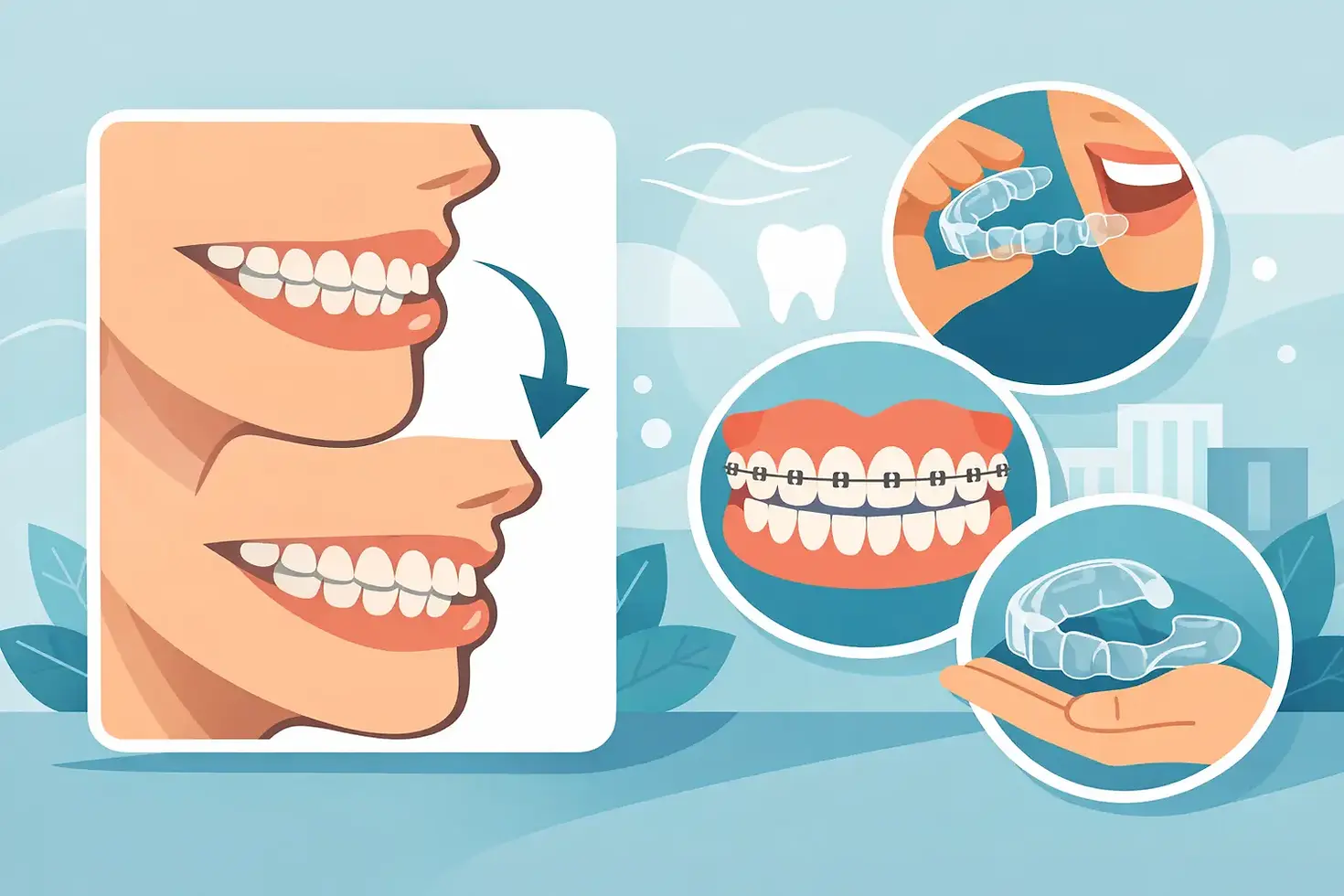
Bite Correction Without Surgery Options

A bite that feels off usually shows up in everyday moments first - chewing on one side, teeth wearing unevenly, jaw tension in the morning, or a smile that never quite feels comfortable. The good news is that bite correction without surgery is often possible, especially when treatment is planned by an orthodontic specialist who understands how teeth, jaws, and facial growth work together.
For many children, teens, and adults, the question is not whether a bite can be improved, but how much can be corrected with braces, clear aligners, or other orthodontic tools alone. That answer depends on the type of bite problem, the age of the patient, and whether the issue comes mostly from tooth position, jaw growth, or both.
What bite correction without surgery can treat
Not every bite problem requires oral surgery. In fact, many common orthodontic concerns respond well to non-surgical treatment when caught at the right time and managed carefully.
An orthodontist may be able to treat overbites, underbites, crossbites, open bites, crowding, spacing, and midline issues without surgery if the main problem is dental rather than skeletal. That means the teeth are in the wrong positions, but the jaw relationships are still within a range that can be improved through orthodontic movement.
This is especially true for younger patients. Since children and teens are still growing, orthodontic treatment can sometimes guide jaw development while also moving teeth into healthier positions. In adults, growth is complete, so treatment focuses on what can be achieved through tooth movement and bite coordination rather than changing the underlying jaw structure.
That does not mean adults are out of options. Many adults are excellent candidates for bite correction without surgery, particularly if their concerns are moderate and their goals are realistic. A well-planned orthodontic approach can improve function, comfort, and appearance without the need for a surgical procedure.
When non-surgical treatment works best
The best candidates for non-surgical bite correction usually have mild to moderate bite discrepancies, healthy gums and bone support, and a commitment to following treatment instructions. Compliance matters more than many people expect. With braces, that may mean protecting brackets and keeping appointments. With clear aligners, it means wearing trays as directed, not just when convenient.
Timing also matters. In children, early orthodontic evaluation can reveal whether a crossbite or developing jaw imbalance may respond better while growth is still active. In teens, treatment may combine braces or aligners with appliances designed to encourage better bite relationships during key growth years. In adults, non-surgical care is often most effective when the bite issue is compensation-friendly, meaning the teeth can be moved enough to improve the bite even if the jaw shape itself is not being changed.
There is always some nuance here. A patient may technically be able to avoid surgery, but the trade-off might be that the final bite improvement is good rather than perfect. For many people, that is a very reasonable choice. Others want the most complete correction possible and may decide differently after reviewing all options.
Common tools used for bite correction without surgery
Orthodontists have more than one way to improve a bite without surgery, and the right plan depends on the mechanics of the case.
Braces
Braces remain one of the most effective tools for complex bite correction. Because they give the orthodontist precise control over tooth movement, braces are often a strong option for deep bites, rotations, crowding, and vertical adjustments. Elastics can also be used with braces to help improve how the upper and lower teeth fit together.
For patients with moderate bite concerns, braces can create excellent changes in both alignment and function. They are reliable, efficient, and especially helpful when movement needs to be highly controlled.
Clear aligners
Clear aligners can also play an important role in bite correction without surgery. They are popular with teens and adults who want a more discreet treatment option, and advances in aligner planning have made them capable of handling many bite-related problems that once required braces more often.
That said, aligners are not identical to braces in every case. Some movements are more predictable with braces, while other cases do very well with aligners and attachments. The decision should come from a careful evaluation, not from a one-size-fits-all preference.
Elastics and auxiliary appliances
Rubber bands, expanders, and growth-guidance appliances may be used as part of treatment, especially in younger patients. These tools can help shift bite relationships, improve arch width, or support jaw development during active growth.
This is where seeing a Board Certified Orthodontist can make a real difference. Bite correction is not just about straight teeth. It is about choosing the right mechanics at the right time for the right patient.
Bite correction without surgery in children and teens
Parents are often surprised to learn that early orthodontic evaluation is not always about starting treatment right away. Sometimes the most valuable part is simply knowing whether a child has a bite problem that may become harder to treat later.
Crossbites, severe crowding, and certain underbite or overbite patterns can sometimes be improved more effectively when addressed during growth. In these cases, non-surgical orthodontic care may reduce the severity of the problem and, in some patients, even help avoid future surgery.
Teen treatment often builds on this growth window. Since many permanent teeth are already in place, the orthodontist can coordinate alignment and bite correction together. Some teens benefit from braces and elastics, while others are good candidates for clear aligners if they are responsible enough to wear them consistently.
The goal is not just a better-looking smile. A healthier bite can make brushing easier, reduce uneven wear, and improve long-term function.
Bite correction without surgery for adults
Adults often assume they have missed their chance for orthodontic treatment, especially if they were told years ago that surgery was the only answer. Sometimes that assessment still holds true for severe skeletal cases, but not always.
Modern digital planning allows orthodontists to evaluate adult bites with much more precision. In many cases, strategic tooth movement can improve the way the bite functions and looks without surgery. This may involve correcting crowding, reducing flaring, improving overjet, leveling a deep bite, or coordinating the arches so the teeth fit together better.
Adults should know that limitations do exist. Since jaw growth is complete, treatment cannot create the same orthopedic changes that may be possible in younger patients. If the underlying jaw discrepancy is significant, non-surgical orthodontics may improve the bite but not fully normalize it. That is not a failure - it is careful, honest treatment planning.
For many adults, the right question is whether non-surgical treatment can meaningfully improve comfort, function, and confidence. Very often, the answer is yes.
How an orthodontist decides if surgery can be avoided
This decision comes down to diagnosis, not guesswork. A specialist will look at facial proportions, bite relationships, tooth inclinations, jaw position, growth stage, dental health, and treatment goals before recommending a plan.
Digital impressions, photos, and imaging help show whether the bite issue is mostly dental, mostly skeletal, or a mix of both. That distinction matters. If the teeth are compensating for a jaw imbalance, an orthodontist must decide whether moving them further will help, create instability, or compromise appearance.
This is also why online advice can be misleading. Two patients may both say they have an underbite, but one may be a strong candidate for bite correction without surgery while the other may need a surgical discussion to achieve a healthy result.
At Dixon Orthodontics, this kind of planning is part of delivering care that feels personal, precise, and grounded in real expertise. Patients deserve a clear explanation of what is possible, what is not, and what each path involves.
What to expect from treatment
Non-surgical bite correction usually takes time. Some cases are relatively straightforward, while others require a longer course of treatment to move teeth safely and create a stable result. The exact timeline depends on the severity of the bite issue, the treatment method, and how consistently the patient follows instructions.
Discomfort is usually manageable and temporary, especially after adjustments or when switching aligners. Good oral hygiene, regular visits, and retainer wear after treatment are all essential. Retainers are not optional after bite correction. They help protect the result and reduce the chance of relapse.
The most successful treatment plans are the ones that balance ambition with biology. Orthodontics can do a great deal without surgery, but the best outcomes come from realistic goals and thoughtful planning.
If your bite feels uncomfortable, looks uneven, or has been bothering you for years, it is worth getting a specialist's opinion. Sometimes the path forward is simpler than you expect, and getting answers early can make the next step feel a lot more manageable.


Comments