
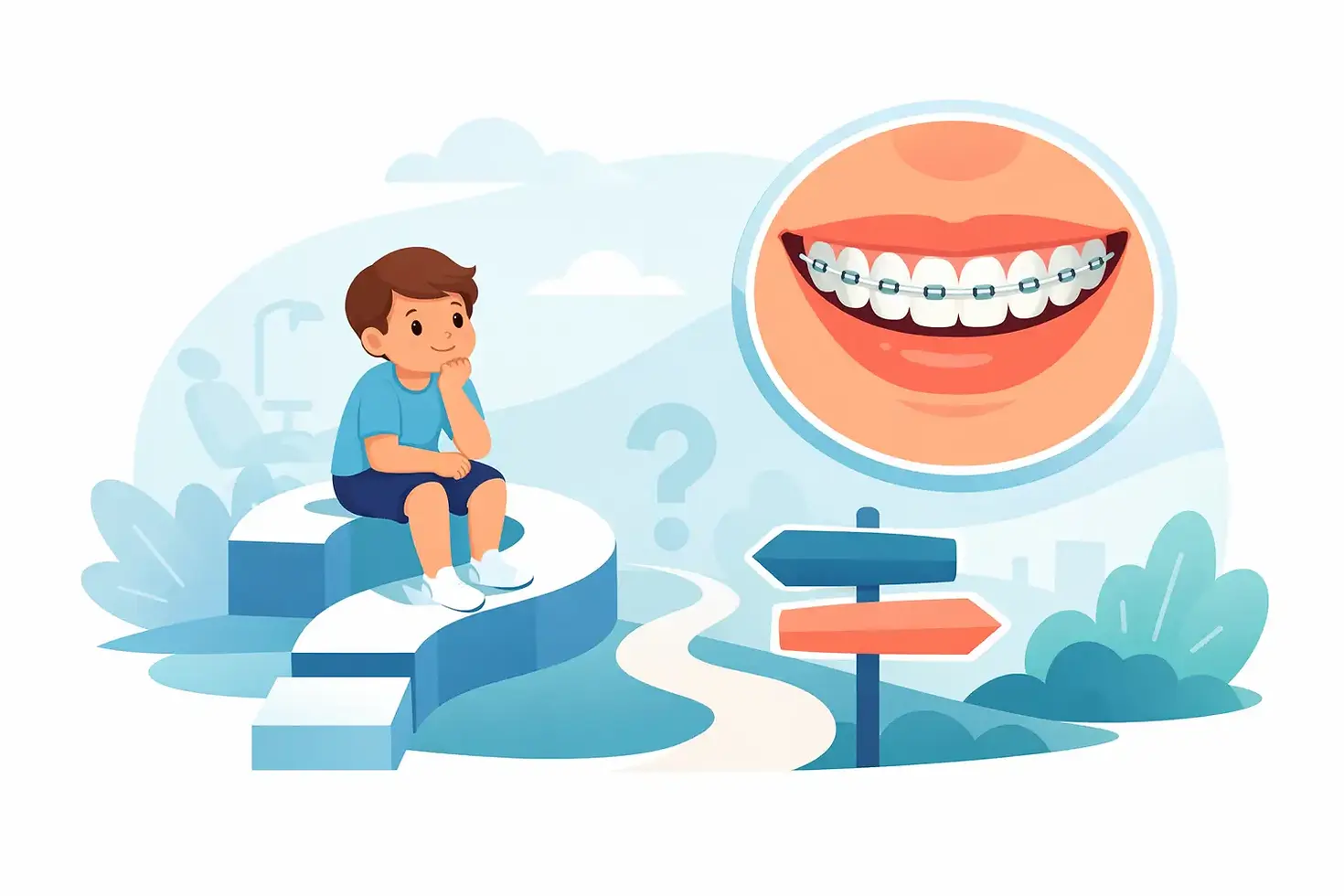
When Are Braces for Kids the Right Next Step?

A school photo, a loose baby tooth, or a comment from a dentist can quickly turn into a big question for parents: does my child need orthodontic treatment? Braces for kids are not only about creating a straighter smile. At the right time, they can guide developing teeth, improve how the bite fits together, and help prevent certain concerns from becoming more complex later.
The right answer is rarely based on one crooked tooth. Every child grows differently, and orthodontic treatment should be based on a careful evaluation of the teeth, jaws, bite, and long-term growth pattern. A dedicated orthodontist can help your family understand what is happening now, what may change naturally, and whether treatment would be helpful.
When Should a Child See an Orthodontist?
Many children benefit from an initial orthodontic evaluation around age 7, even if they still have baby teeth. This does not mean your child will need braces at 7. In fact, many children are simply monitored until more permanent teeth come in. The value of an early visit is knowing whether jaw growth, spacing, crowding, or bite development deserves attention.
At this age, an orthodontist can often identify concerns that are easier to address while a child is growing. These may include a narrow upper jaw, severe crowding, a crossbite, protruding front teeth, or a bite that makes it difficult to chew comfortably. Early evaluation also gives parents a clear plan rather than leaving them to wonder whether they have waited too long.
Some signs are easy to notice at home. Your child may regularly bite the inside of their cheek, breathe through their mouth, struggle to close their lips comfortably, or have teeth that appear crowded, widely spaced, or unusually prominent. A lower jaw that shifts to one side when biting can also be worth evaluating. Still, children can have orthodontic concerns without obvious symptoms, which is why routine dental visits and an orthodontic screening work well together.
Braces for Kids: What Treatment Can Address
Braces use gentle, carefully planned pressure to move teeth into healthier positions over time. They may be recommended when permanent teeth are crowded, rotated, or spaced apart, but their purpose goes beyond appearance. Orthodontic treatment can also improve the relationship between the upper and lower teeth.
A balanced bite can make everyday functions, such as chewing and speaking, more comfortable. It can also reduce excessive wear on certain teeth. When front teeth extend too far forward, they may be more vulnerable to injury during sports or play. In other cases, correcting a crossbite or open bite supports more balanced jaw function as a child grows.
Not every bite difference needs immediate treatment. Mild spacing may close naturally as additional teeth erupt. A slightly uneven smile may change considerably over the next year or two. This is where orthodontic expertise matters: treatment should be timed for a child’s specific development, not started simply because a certain birthday has arrived.
Phase One and Comprehensive Treatment
For some children, treatment happens in two stages. Phase one, sometimes called early interceptive treatment, is performed while baby teeth and permanent teeth are both present. It may use a limited set of braces or another orthodontic appliance to create room, guide jaw development, or correct a significant bite issue.
After a rest period, comprehensive treatment may begin once most or all permanent teeth have erupted. This is the stage most families picture when they think of braces: brackets and wires on the teeth that gradually align the full smile and bite.
Two-phase treatment is not necessary for every child. It is recommended only when addressing a specific issue early could lead to a healthier or less complicated result. For many patients, waiting for comprehensive braces is the most appropriate, efficient approach.
Choosing the Right Type of Braces
Traditional metal braces remain a dependable option for kids. They are highly effective for a wide range of tooth and bite concerns, and children can personalize them with colored elastic ties at appointments. For many families, metal braces are practical, durable, and easy for an orthodontist to adjust precisely.
Ceramic braces may be an option for some older children and teens who prefer a less noticeable appearance. Clear aligner treatment can also work well for selected patients, particularly when they are ready to wear aligners consistently and keep track of them at school, activities, and home.
There is no single “best” choice for every child. Braces do not rely on a child remembering to wear them, which can be helpful for younger patients. Aligners are removable, which may make brushing and flossing easier, but they require consistent wear to be effective. A consultation helps match the treatment method to your child’s needs, maturity, lifestyle, and orthodontic goals.
What to Expect During Treatment
The first step is a thorough consultation. Your orthodontist will examine your child’s smile and bite, discuss health history and concerns, and use diagnostic records to plan care. Modern digital impressions can replace much of the discomfort associated with traditional impression material, while 3D treatment planning supports accurate, personalized decisions.
Once braces are placed, your child will return periodically for adjustments and progress checks. Appointments are generally straightforward, though teeth can feel tender for a few days after braces are first placed or adjusted. Softer foods, cold drinks, and orthodontic wax for an irritating bracket can make that adjustment period more comfortable.
Treatment time varies. Some children need a relatively short period of limited early treatment, while comprehensive braces often last longer. The timing depends on the complexity of the bite, how teeth respond to treatment, jaw growth, and whether appointments and home care stay on track. A trustworthy orthodontist will explain the anticipated timeline clearly while recognizing that growing smiles do not always follow a calendar exactly.
Helping Your Child Succeed With Braces
The daily routine makes a real difference. Food can collect around brackets and wires, so children need to brush carefully around each bracket, along the gumline, and on all chewing surfaces. Flossing takes more effort with braces, but floss threaders or orthodontic flossing tools can make it manageable. Regular dental cleanings should continue throughout orthodontic treatment.
Certain foods can loosen brackets or bend wires. Popcorn, hard candy, ice, sticky candy, and chewy foods are common troublemakers. Cutting firm foods, such as apples or carrots, into smaller pieces is often easier on braces. If a bracket becomes loose or a wire begins poking, call the orthodontic office for guidance instead of trying to fix it at home.
Parents can also support treatment by keeping routine appointments, encouraging good brushing, and helping children see braces as a temporary commitment with a meaningful goal. Kids often adjust faster when they understand what treatment is doing for their smile and feel included in the process.
A Decision That Looks Beyond Straight Teeth
The best time for braces is not necessarily when your child first asks for them or when a friend starts treatment. It is when an orthodontic evaluation shows that treatment can improve their developing smile and bite. Sometimes that means starting early. Sometimes it means monitoring growth for months or years. Both are active, thoughtful forms of care.
For families in Westminster and Superior, a consultation with a Board Certified Orthodontist can replace uncertainty with a clear, personalized plan. At Dixon Orthodontics, the goal is to make that process feel informed, comfortable, and centered on what is right for your child - now and as their smile continues to grow.


Comments