

Underbite Correction for Adults: Your Options
- Gary Dixon
- Aug 4
- 5 min read

An underbite can be more than a cosmetic concern. When lower teeth sit in front of upper teeth, they may affect how you bite, chew, speak, and feel about your smile. Underbite correction for adults is possible at many stages of life, and treatment can be tailored to the severity of your bite, your goals, and the health of your teeth and gums.
For some adults, treatment means moving teeth into a healthier position with braces or clear aligners. For others, the issue involves the position of the jaw itself and may require a coordinated plan with an oral and maxillofacial surgeon. A personalized orthodontic evaluation is the best way to understand which path makes sense for you.
What Causes an Adult Underbite?
An underbite, also called a Class III bite, happens when the lower teeth extend in front of the upper teeth when the mouth closes. Sometimes the concern is primarily dental, meaning the teeth are tipped or positioned in a way that creates the appearance of an underbite. In other cases, the lower jaw is more prominent, the upper jaw is less developed, or both factors are involved.
Genetics often play a meaningful role. Childhood habits, missing teeth, tooth wear, and past dental changes can also affect how the bite develops or worsens over time. Adults may have lived with an underbite for years before deciding to pursue care, while others notice it after teeth shift following previous orthodontic treatment.
The right treatment begins with determining whether the bite issue is dental, skeletal, or a combination of both. Digital scans, photographs, X-rays, and a detailed exam help an orthodontist see the full picture rather than treating only what is visible in the mirror.
Why Underbite Correction for Adults Can Matter
Many adults seek treatment because they want a smile that feels more balanced and confident. That is a valid reason to explore orthodontic care. But correcting an underbite may offer functional benefits as well.
When teeth do not meet properly, certain teeth can absorb more pressure than they were designed to handle. Over time, this may contribute to uneven tooth wear, chipping, gum recession, or difficulty keeping some areas clean. Some patients also experience chewing inefficiency, jaw fatigue, or discomfort in the muscles around the jaw.
Treatment does not guarantee that every jaw symptom will disappear, and orthodontics is not a one-size-fits-all answer for temporomandibular joint concerns. Still, improving the way teeth fit together can create a more stable, comfortable bite and help protect your teeth over the long term.
Treatment Options for Adult Underbites
The best option depends on how much correction is needed and whether the jaw relationship can be managed by moving teeth alone. Adults have fully developed jaws, so their treatment approach differs from that of a growing child or teen.
Braces for Detailed Bite Control
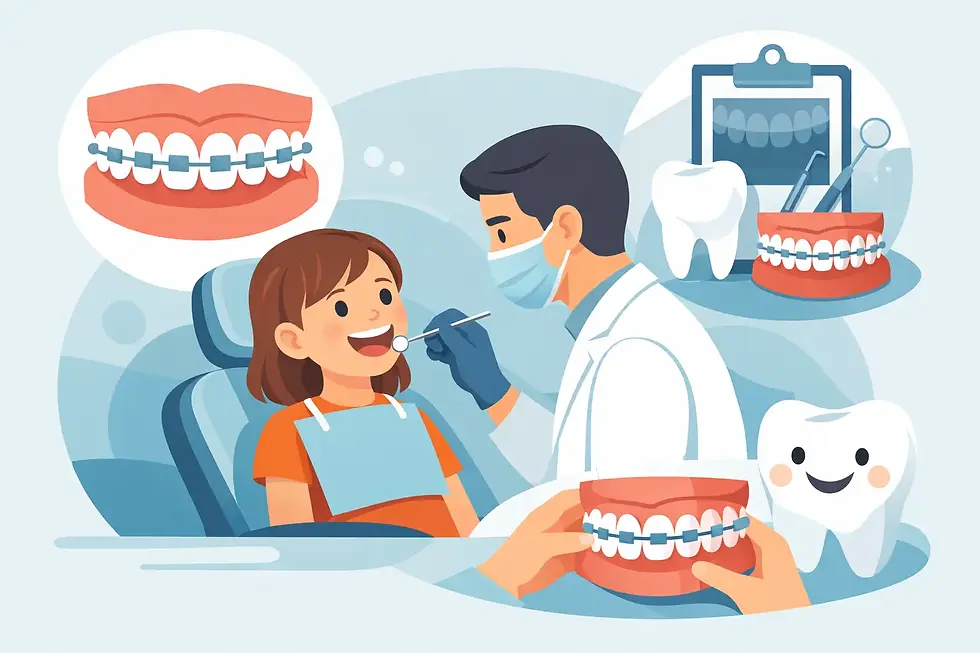
Braces are often an effective choice for adult underbites because they provide precise control over tooth movement. Brackets and wires can move individual teeth, adjust their angulation, and coordinate the upper and lower arches carefully.
For a mild to moderate dental underbite, braces may be used with elastics that help guide the bite into a more favorable relationship. Treatment time varies, but many adult orthodontic cases take approximately 18 to 30 months. More complex cases can take longer.
Braces are visible, but modern options are smaller and more comfortable than many adults remember from adolescence. They can be a strong choice when treatment requires detailed movements that clear aligners may not accomplish as predictably.
Clear Aligners for Select Cases
Clear aligners can be an appealing option for adults who prefer a more discreet treatment experience. The trays are removable for meals and brushing, which can make daily oral hygiene easier. They are also designed using digital treatment planning, allowing patients to see a projected sequence of tooth movement before treatment begins.
However, aligners are not automatically the best choice for every underbite. They can work well for certain mild or moderate dental bite problems, especially when the patient wears them consistently. More complex movements, major jaw discrepancies, and cases requiring significant bite changes may be better managed with braces or a combination of approaches.
The key trade-off is predictability and commitment. Aligners need to be worn about 20 to 22 hours each day. If they are frequently left out, treatment can slow down or the teeth may not track as planned.
Orthodontics With Jaw Surgery
When an underbite is caused mainly by a significant jaw imbalance, orthodontic treatment alone may improve tooth alignment without fully correcting the underlying skeletal relationship. In these situations, orthognathic surgery may be recommended as part of a comprehensive treatment plan.
This approach usually involves orthodontic treatment before and after surgery. Braces or aligners first position the teeth appropriately within each jaw. An oral and maxillofacial surgeon then repositions one or both jaws, followed by additional orthodontic refinement.
Jaw surgery is a larger commitment, with recovery time and careful planning required. It is not necessary for every adult with an underbite. For patients with substantial skeletal differences, though, it may provide the most complete improvement in bite function, facial balance, and long-term stability.
Camouflage Treatment
Some adults with a skeletal underbite choose orthodontic camouflage rather than surgery. This means moving teeth to improve the bite relationship and appearance as much as possible without changing jaw position.
Camouflage can be a practical choice when the discrepancy is moderate, when surgery is not desired, or when health considerations make surgery less appropriate. It is important to understand its limits. It may improve function and appearance considerably, but it cannot create the same skeletal change as jaw surgery. A thoughtful consultation should clearly explain what each option can and cannot accomplish.
What to Expect During Treatment
Your first orthodontic visit should feel informative, not rushed. A Board Certified Orthodontist will evaluate your bite, review your health history, and use modern imaging to identify the source of the underbite. At Dixon Orthodontics, digital impressions and 3D treatment planning help make this process more comfortable and precise.
Once you choose a plan, regular appointments allow the orthodontic team to monitor tooth movement and make adjustments. Adults should continue routine cleanings and exams with their general dentist throughout treatment. Healthy gums and consistent home care are especially important because orthodontic appliances can create additional places for plaque to collect.
After active treatment, retainers are essential. Teeth can shift throughout adulthood, particularly when there was significant bite correction. Wearing retainers as instructed helps protect the time, energy, and investment you put into your new smile.
Questions Adults Often Ask
Am I too old for underbite treatment?
No. Healthy teeth and gums can move at virtually any adult age. Treatment may take different planning considerations than it does for a teenager, especially if there is previous dental work, gum recession, or bone loss, but adulthood itself does not disqualify you from orthodontic care.
Will correcting my underbite change my face?
Orthodontic tooth movement can create subtle changes in lip support and smile balance. More significant facial changes are generally associated with jaw surgery because the jawbones are repositioned. Your orthodontist can discuss what is realistic for your specific anatomy and treatment plan.
Does treatment hurt?
Most patients experience pressure or soreness after starting braces, changing wires, or switching to a new series of aligners. This typically improves within a few days. Adults are often pleasantly surprised by how manageable treatment feels once they settle into the routine.
How much does adult underbite correction cost?
Cost depends on the complexity of your bite, the type of treatment, treatment length, and whether surgery is involved. A consultation provides the clearest estimate. Ask about payment options, insurance benefits, and what follow-up care is included so you can make a confident decision.
A healthy, comfortable bite is worth asking about, even if you have lived with an underbite for decades. A personal consultation can replace uncertainty with a clear plan and help you choose the treatment path that fits your smile, lifestyle, and goals.


Comments